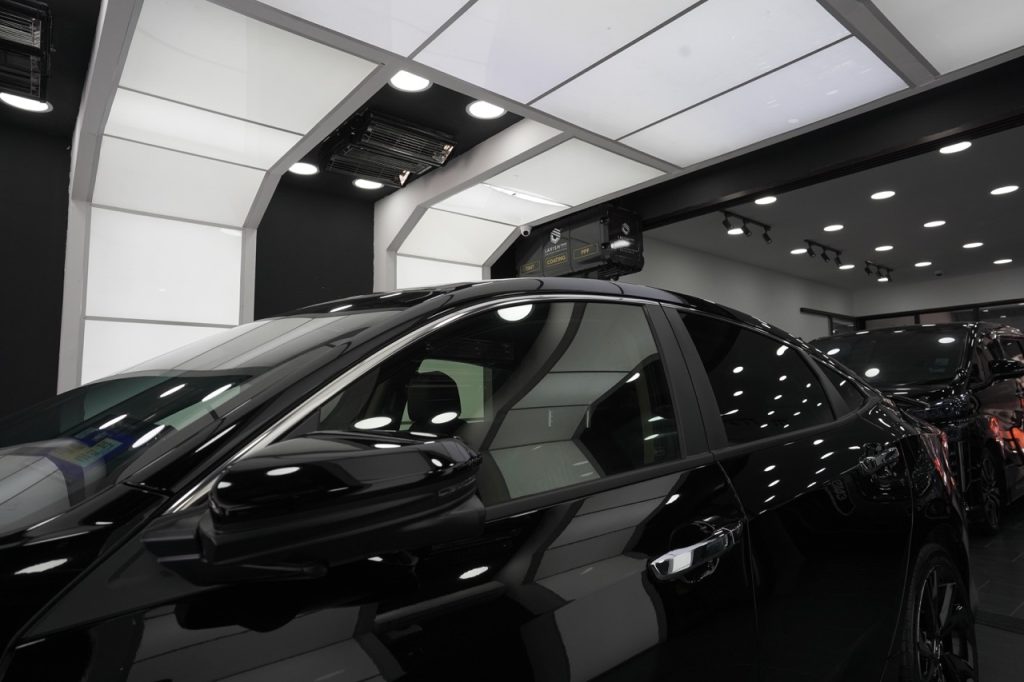
Automotive tint technology has evolved rapidly in recent years, moving far beyond traditional dyed or metallic films. Among the most impressive innovations today is photochromic tint, a smart window film that automatically adjusts its darkness depending on sunlight intensity. Once reserved for high-end eyewear, photochromic technology is now widely applied to modern vehicles, offering a premium combination of comfort, heat control and visual appeal.
If you frequently drive in the blazing heat, struggle with glare on the highway, or dislike driving with overly dark windows at night, photochromic tint may be the perfect solution. This comprehensive guide explains exactly what photochromic tint is, how it works, its key benefits, costs, and legal considerations, with a particular focus on real performance in Malaysia’s tropical climate.
What Is Photochromic Tint?
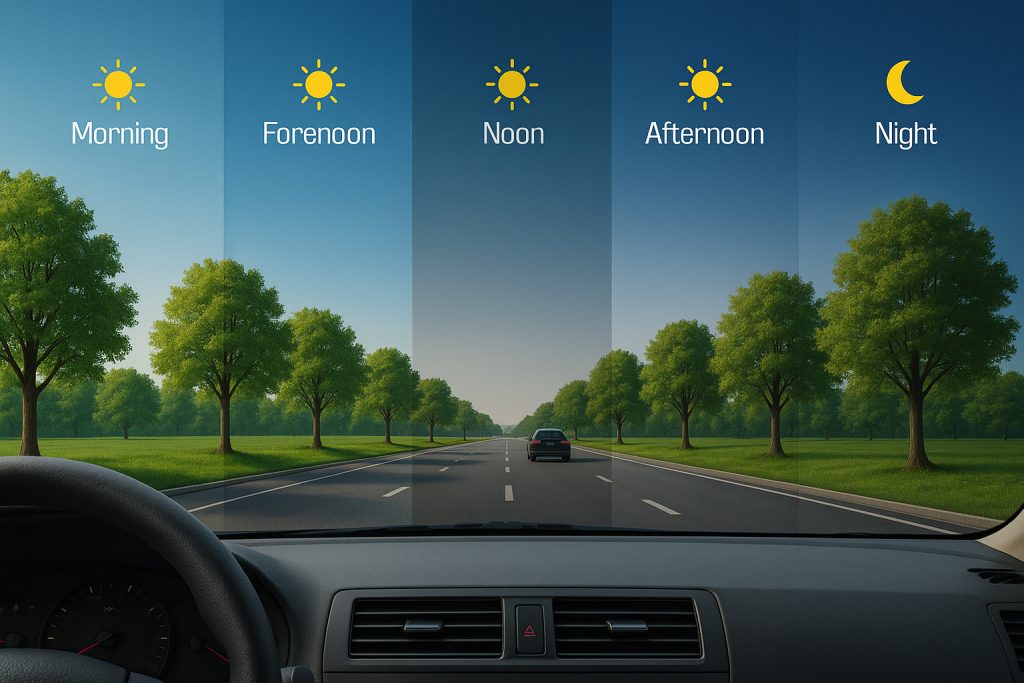
Photochromic tint is an advanced type of automotive window film that changes colour automatically when exposed to sunlight. In bright daylight, the tint darkens to reduce glare and heat. When light levels decrease, such as at night, in car parks or during cloudy weather, it becomes more transparent again. This ensures optimal visibility and comfort regardless of the environment.
Unlike traditional fixed-shade tint, which stays the same 24 hours a day, photochromic tint adapts in real time. This makes it particularly suitable for drivers who want heat protection and privacy during the day without sacrificing visibility at night. Modern versions, such as LAVISH® AI Photochromic Tint, enhance this effect further through nano-level light-sensing algorithms, offering faster reaction times and improved consistency.
How Photochromic Tint Works
Photochromic tint works through a combination of photochromic molecules and nano-engineered light-sensing coatings, which collectively respond to ultraviolet (UV) and infrared (IR) exposure. Understanding the science behind this technology helps explain why it performs so effectively in real-world conditions.
The Role of Photochromic Molecules
Photochromic molecules are the core ingredients that make automatic light adjustment possible. When exposed to UV radiation from the sun, the molecular structure shifts, causing the film to darken. Once UV exposure decreases, the molecules return to their original state, making the tint lighter again.
This transition is completely reversible and exceptionally durable. According to research published in Pure and Applied Chemistry, advanced diarylethene-based photochromic molecules—the type commonly used in premium automotive films can perform colour-changing cycles more than 10,000 times without any observable degradation. The process remains stable across long-term use and is entirely safe for automotive glass.
Smart Light Sensor Reaction
Premium versions, such as the AI system used by Lavish Window Film, incorporate nano sensors that detect changes in UV and IR intensity. These sensors enable extremely rapid transitions, taking under 3 seconds to detect light changes and less than 30 seconds for a full darkening effect. This ensures the tint adjusts almost instantly when you drive out of a basement car park into bright sunlight or when clouds suddenly move away.
Five-Layer Nano Protective Structure
High-quality photochromic tint films such as LAVISH® AI Photochromic Tint typically include a sophisticated five-layer structure that works together to deliver superior performance.
| Layer | Material/Technology | Function |
| Top Layer: Scratch-Resistant Protective Coating | Ultra-durable SR Coating / Nano Ceramic Coating | Protects against scratches, stains and oxidation. Maintains long-term surface clarity and gloss. |
| Functional Layer: Photochromic Active Layer | Photochromic molecules + Smart light-sensitive materials | Core colour-changing layer. Senses UV intensity and instantly adjusts light transmission rate. |
| Nano Ceramic Shield: Heat Rejection Layer | Tungsten oxide (WO₃) + Indium tin oxide (ITO) nanoparticles | Efficiently reflects infrared heat. Reduces cabin temperature by 5–8°C. |
| UV Protection Base: UV Blocking Layer | Nano titanium dioxide (TiO₂) | Blocks 99% of UV radiation. Prevents interior ageing and protects skin from damage. |
| Adhesive & PET Base: Optical-Grade Foundation | High-transparency PET base + UV adhesive with wave-free bonding technology | Ensures installation stability and maintains optical clarity throughout the film’s lifespan. |
This multi-layer system allows the tint to remain durable, heat-resistant and visually appealing while performing consistently even in extreme Malaysian temperatures.
7 Key Benefits of Photochromic Tint
Photochromic tint is popular because it balances performance, safety and aesthetics better than most conventional films. The following advantages make it highly suitable for drivers in hot climates, especially in Malaysia where intense sunlight and high humidity are part of daily life.
1. Automatic Light Adjustment That Actually Works
The most notable benefit is the film’s ability to adjust seamlessly to the environment. During the day, it darkens to minimise glare and protect your eyes from harsh sunlight. At night or in dim areas like multi-storey car parks, it becomes clearer, improving visibility and overall driving comfort. You will no longer feel like your vision is restricted by dark tint after sunset, which is a common complaint among drivers using traditional fixed-shade films.
2. Superior Heat Reduction for Malaysian Weather
Thanks to its nano-ceramic layer, photochromic tint can significantly reduce interior temperatures. Many users experience a cooler cabin by 5 to 8°C, making long journeys more bearable and reducing strain on the air-conditioning system. In Malaysia’s tropical climate where cabin temperatures can easily exceed 50°C when parked outdoors, this cooling effect makes a substantial difference to comfort and fuel efficiency.
3. Comprehensive UV Protection
The ultraviolet rejection rate often reaches 99%, offering two major advantages. First, it protects your skin from harmful UV radiation during extended driving periods, which is particularly important for those who commute long distances daily. Second, it prevents leather seats, dashboards and interior trims from premature fading and cracking, helping maintain your vehicle’s resale value over time.
4. Anti-Glare Performance for Safer Driving
The automatic darkening function helps reduce discomfort caused by glare from the sun, reflective surfaces or other vehicles’ headlights. This makes driving safer and less tiring, especially on long trips or bright afternoons when the sun sits low on the horizon. Many drivers report significantly reduced eye strain after switching to photochromic tint, particularly those who spend several hours daily on the road.
5. Privacy Without Compromise
When the tint darkens during daylight, it naturally provides greater privacy. People outside the vehicle will find it more difficult to see inside, whilst passengers can still enjoy a clear view from within. This is especially appreciated by families with young children or professionals who occasionally need to take private calls whilst parked.
6. Signal Friendly Technology
Unlike older metallic tints that created interference issues, photochromic films do not disrupt GPS navigation, payment or toll systems, mobile signals, or keyless entry systems. This ensures modern car features continue to work flawlessly, which is essential given how dependent we’ve become on these technologies for daily convenience.
7. Long Term Durability
Premium photochromic tint is engineered to withstand high temperatures, especially in tropical regions. With a lifespan of around seven years or more, the film is resistant to bubbling, cracking and fading. Its performance remains stable even under prolonged exposure to strong heat.
Photochromic Tint vs Conventional Tint
Traditional tint maintains the same level of darkness at all times. Whilst this is adequate for many users, it often requires compromising between daytime comfort and night-time visibility. Drivers must choose between being comfortable during the day with darker tint that impairs vision after sunset or accepting reduced heat protection and privacy with a lighter tint that performs better at night.
Photochromic tint eliminates this difficult choice entirely. It delivers heat rejection similar to high-grade ceramic films whilst providing dynamic visibility suitable for both day and night. You get improved comfort without breaking tint regulations, since the film becomes sufficiently transparent after dark to meet legal requirements. For drivers who want both convenience and safety, the differences are considerable and immediately noticeable from the first day of use.
How Much Does Photochromic Tint Cost?
The cost of installing photochromic tint depends on the vehicle size, brand of film, thermal performance and warranty terms. In general, prices range from mid tier to premium.
For most cars in Malaysia, installation typically costs between RM699 and RM1800. High end AI photochromic films with superior nano ceramic heat rejection and extended warranties may fall at the higher end of this price range.
While photochromic tint is more expensive than standard dyed tint, the long term comfort, safety and heat reduction justify the investment for many drivers.
Is Photochromic Tint Legal in Malaysia?
Photochromic tint generally aligns well with Malaysian JPJ tint regulations because it becomes clearer at night, improving visibility for both drivers and law enforcement. As long as the tint meets minimum visible light transmission (VLT) standards in its clear state, it is considered compliant with current regulations.
However, drivers should always verify the manufacturer’s VLT ratings before installation, ensure installation from a certified tint shop with proper licensing, and obtain a warranty card or certificate that documents the film’s specifications. This documentation can be helpful if questions ever arise during vehicle inspections.
Who Should Consider Photochromic Tint
Photochromic tint is ideal for drivers who face different lighting conditions throughout the day, from basement car parks to bright open roads. Long-distance drivers benefit from reduced glare and heat during extended journeys, while premium car owners appreciate the modern technology and seamless visual finish. Individuals sensitive to glare find the automatic adjustment especially helpful for comfort, and families enjoy added UV protection and a noticeably cooler cabin. If you want better heat control, clearer day and night visibility, enhanced privacy and long-term durability, photochromic tint is a highly worthwhile investment.
How to Maintain Photochromic Tint?
To maximise the lifespan of your photochromic tint, avoid cleaning the windows for at least 48 to 72 hours after installation to allow the adhesive to cure completely. When cleaning becomes necessary, use mild cleaners with soft microfibre cloths rather than abrasive materials that could scratch the surface.
Avoid ammonia-based products, as these can damage the film’s protective layers over time. Ensure adequate drying time after cleaning, and handle windows gently during the first few days whilst the film continues settling into place. Proper care ensures optimal clarity and long-term performance that matches the manufacturer’s warranty expectations.
Conclusion
Photochromic tint represents the future of automotive window film, combining smart light-sensing capability, highly efficient heat rejection, advanced UV protection and outstanding clarity into a single solution. It offers a driving experience that traditional tint simply cannot match, adapting automatically to deliver comfort, safety and visibility at all times regardless of conditions.
For drivers in tropical regions like Malaysia, where temperatures soar and sunlight is intense, high-quality photochromic tint is more than a luxury. It is a practical upgrade that significantly improves daily driving comfort whilst enhancing the look and protection of your vehicle. Whether you’re battling harsh afternoon sun, navigating busy city roads, or driving home late at night, photochromic tint works silently in the background to make every journey more comfortable and safer.
Explore LAVISH® AI Photochromic Tint for Superior Performance
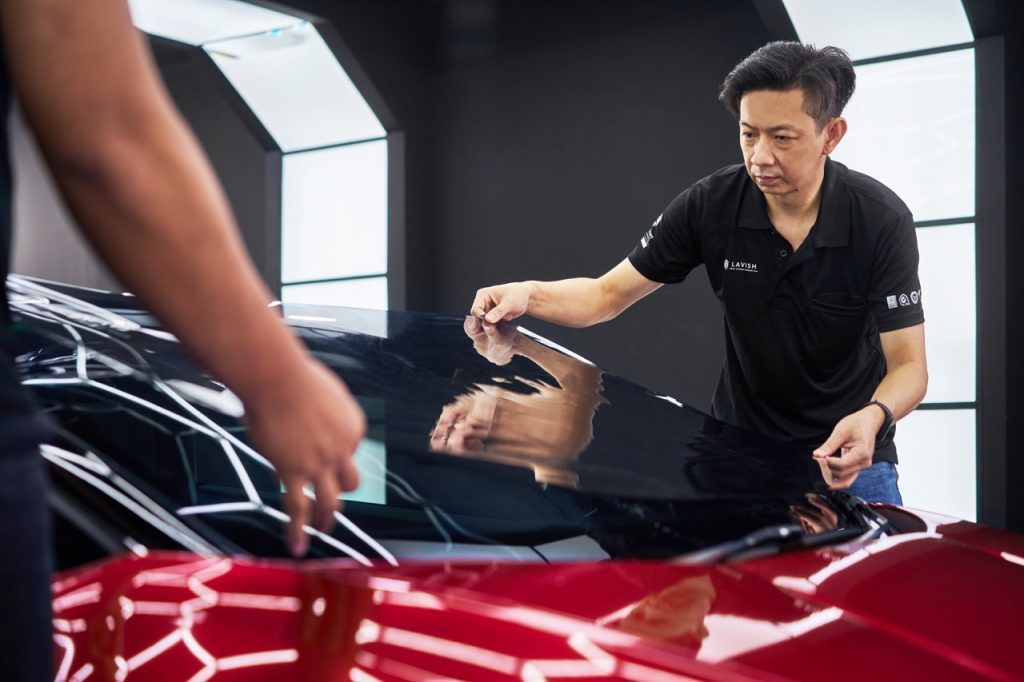
For drivers seeking a more advanced and responsive version of photochromic technology, LAVISH® AI Photochromic Tint offers one of the most refined systems available today. It stands out with several advanced advantages:
Why LAVISH® AI Photochromic Tint Is Different?
1. AI Light-Sensing Algorithm
Adjusts the tint level in under 3 seconds when light conditions change, with full darkening completed in under 30 seconds, ensuring immediate comfort when moving between shaded areas and bright sunlight.
2. Enhanced Heat Rejection
Nano-ceramic technology effectively reduces cabin temperatures by 5–8°C, improving comfort and reducing air-conditioning load.
3. Stable Day and Night Clarity
Becomes darker under strong sunlight and clearer at night, maintaining excellent visibility in all lighting conditions.
4. Five-Layer Nano Protective Structure
Scratch resistance, UV protection, high optical clarity and long-lasting durability engineered for Malaysian weather.
5. Superior UV Protection
Blocks up to 99% of harmful UV rays, protecting passengers and preventing interior fading or cracking.
6. Signal-Friendly Technology
Compatible with GPS, SmartTAG, mobile phones and keyless entry systems with zero interference.
7. Built for Extreme Heat and Humidity
Resistant to bubbling, peeling and colour fading, supported by a long-term manufacturer warranty.
LAVISH® AI Photochromic Tint is ideal for drivers who want the highest level of safety, comfort and intelligent light control. It is one of the most advanced tint technologies available today. Contact us today to learn more about our services!
Frequently Asked Questions
- Does photochromic tint really work in cars?
Yes, modern photochromic tint is engineered specifically for automotive use and reacts quickly to sunlight. High-end versions maintain their performance even in very hot weather, having been tested under extreme conditions that exceed typical Malaysian temperatures.
- Is photochromic tint safe for night driving?
Absolutely. The film becomes more transparent at night, improving visibility compared to permanently dark tints. This makes it safer than traditional fixed-shade films that remain dark regardless of lighting conditions.
- How long does photochromic tint last?
Premium versions can last up to 7 years or more with proper care and maintenance. Many users report excellent performance well beyond the warranty period when the film is properly installed and maintained.
- Does photochromic tint block heat?
Yes, the nano-ceramic layer can reduce the internal temperature by 5 to 8°C, improving comfort substantially and reducing air-conditioning load. This translates to better fuel efficiency and a more pleasant driving environment.
- Will photochromic tint interfere with GPS or ETC?
No, it is completely signal-friendly and does not block mobile, GPS or toll gate systems. You can continue using all your vehicle’s electronic features without any interference or degradation in signal quality.
- Is it more expensive than normal tint?
Yes, photochromic tint costs more than conventional film due to its sophisticated technology and superior performance. However, most users find that the enhanced comfort, safety features and long-term durability justify the higher initial investment.