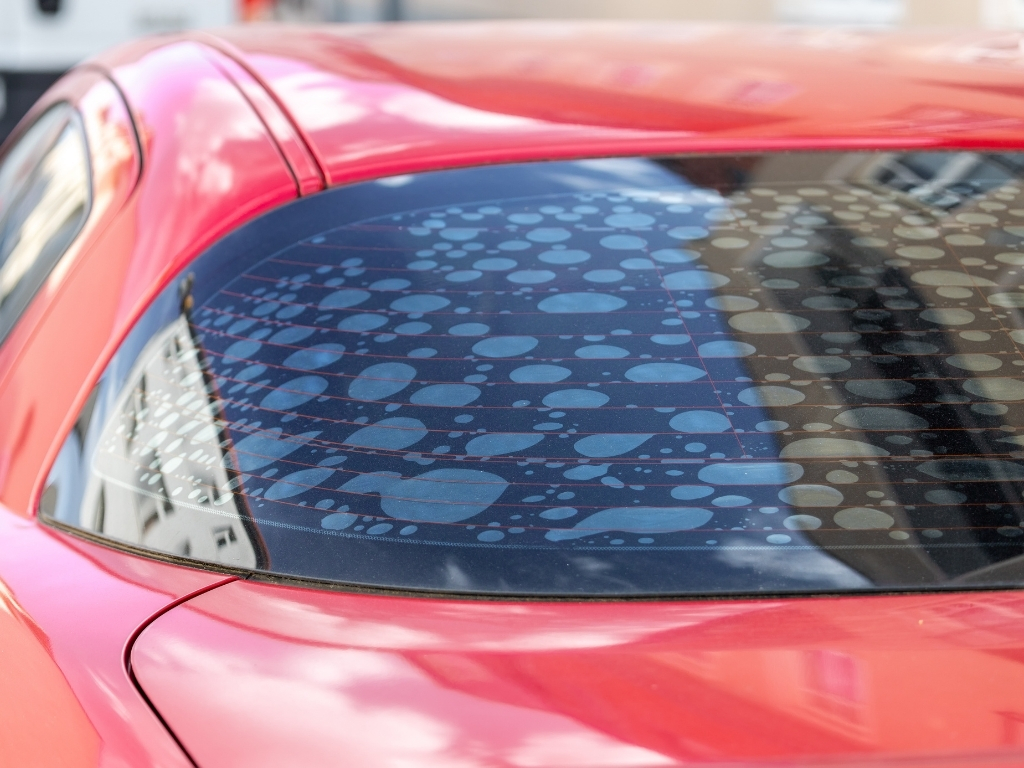
Getting your car windows tinted is a great way to improve its appearance, block UV rays, and reduce heat inside the cabin. But if you’ve noticed bubbles appearing in your tint after installation, don’t panic. You’re not alone, and more importantly, this doesn’t mean you’ve made a bad investment. Let’s break down what causes window tint bubbles, whether they’re normal, and how you can get rid of them.
Is It Normal to Have Window Tint Bubbles?
If you see small bubbles in your tint right after installation, don’t panic. It’s normal to experience some minor bubbles due to trapped moisture. These bubbles should be temporary and usually resolve on their own after 1-2 weeks.
However, if you notice that the bubbles are large or persistent, or if they appear after the curing period has passed, then the issue could be related to poor installation or adhesive breakdown.
If this happens, you’ll want to have the tint professionally assessed, as it may need to be re-applied or replaced.
What Causes Window Tint Bubbles?
Window tint bubbles can appear for several reasons, but understanding the cause will help you know what to expect and what actions you can take. Here are the most common reasons why bubbles appear:
1. Trapped Moisture After Installation
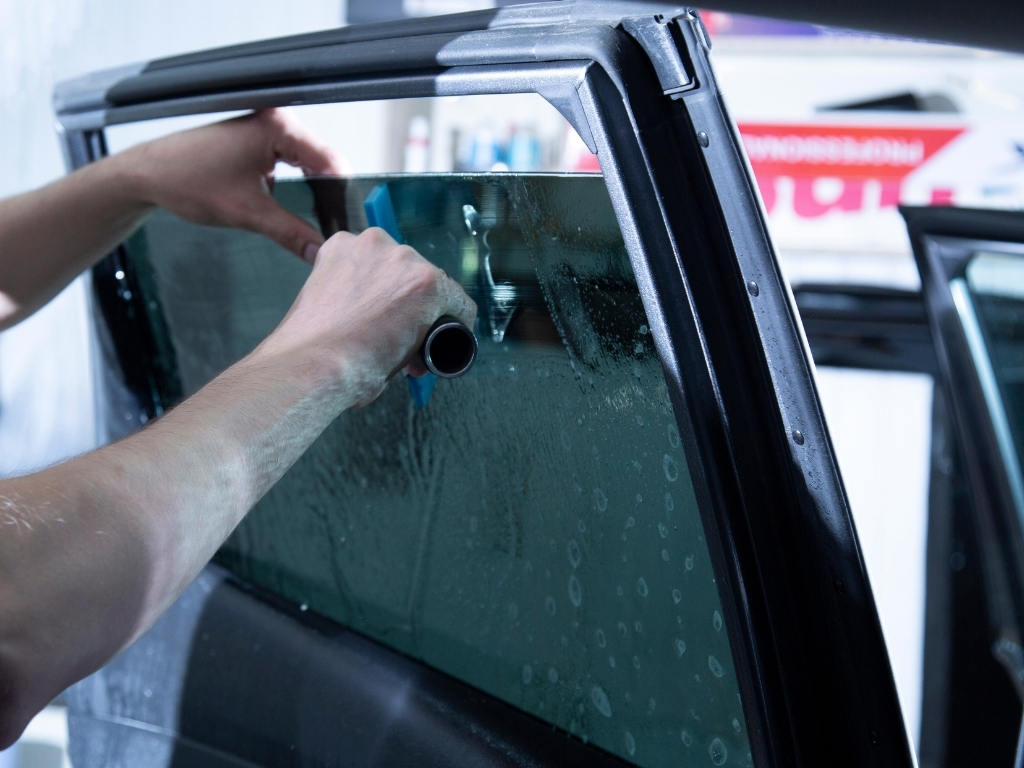
One of the most common causes of bubbles, especially in the first few days after installation, is moisture trapped between the film and the glass. Tinting is often done with a wet application method, which can leave small pockets of water under the film.
What to Do:
- This is completely normal. Moisture trapped under the film typically evaporates as the film dries.
- The bubbles usually disappear within 1-2 weeks as the film cures. It’s just a matter of time.
2. Installation Errors or Dust
In some cases, small bubbles are the result of dust or debris that gets trapped under the tint film during installation. If the window wasn’t thoroughly cleaned before applying the film, or if air pockets formed during the installation, you may notice tiny bubbles or haze.
What to Do:
- If the bubbles persist beyond the curing period, it could be a sign of poor installation.
- Contact your installer and ask if reapplication or professional help is needed. A good installer will know how to fix this issue properly.
3. Heat and UV Exposure Over Time
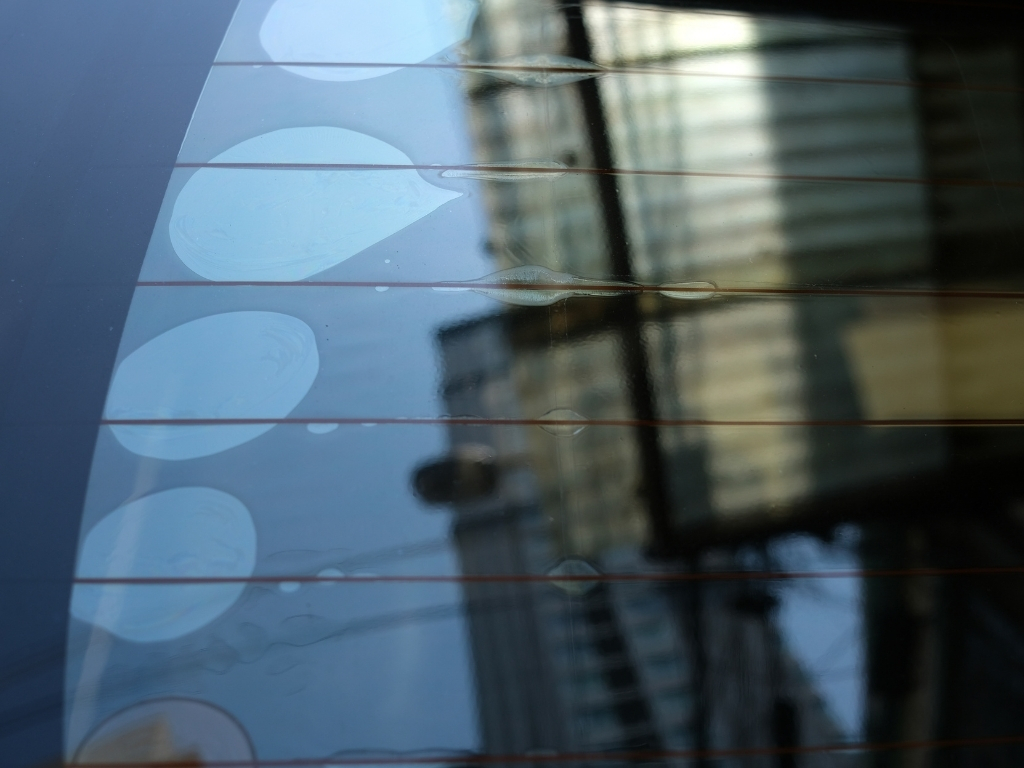
With prolonged exposure to heat and UV rays, the adhesive holding the film in place can weaken. This can lead to larger, more permanent bubbles appearing, especially if the tint is several years old. Over time, cheaper films with lower-quality adhesives are more likely to face this issue.
What to Do:
- If the bubbles are large and persistent, the adhesive may have deteriorated. Unfortunately, the only solution is to replace the tint with a high-quality product that offers better durability, such as Lavish Nano Ceramic Window Film.
- Investing in premium films will prevent premature adhesive failure.
4. Low-Quality Film
Cheap, low-quality films tend to bubble more quickly and are more susceptible to damage from heat and UV exposure. This can be a major factor if you notice bubbling after a few years of use.
What to Do:
- Opt for high-quality window film, such as Lavish Nano Ceramic Window Film, which offers better heat resistance and UV protection. Investing in premium film can help reduce the risk of bubbling and provide a longer-lasting, more durable solution.
How to Get Rid of Window Tint Bubbles
If you’re noticing bubbles, here’s what you can do to fix the issue:
1. Wait for the Bubbles to Cure
For small, moisture-related bubbles, your best course of action is to wait. As the film dries, the moisture trapped under the tint will evaporate, and the bubbles should go away.
- Give it at least 1–2 weeks to see if the bubbles disappear on their own. If they’re gone after this time, you don’t need to do anything.
2. Use a Squeegee to Press Out Small Bubbles
If the bubbles don’t disappear after a few weeks, or if you see small bubbles that are persistent, you can try using a squeegee or a soft cloth to gently press them out.
- Be gentle while pressing the bubbles out to avoid damaging the film.
3. Contact Your Installer for Help
For larger bubbles or if the bubbles don’t go away after some time, it’s best to contact your installer.
- Your installer may need to reapply the film or fix the issue. Professional installers can correct any installation errors or remake the tint if necessary.
4. Replace the Tint if Necessary
If your tint is old and the adhesive has failed, you’ll need to replace the tint. High-quality window films like Lavish Nano Ceramic Window Films are designed to last longer and resist bubbling caused by heat, UV exposure, and environmental conditions.
How to Prevent Window Tint Bubbles
The best way to avoid window tint bubbles in the future is to invest in high-quality film and ensure proper installation. Here are some tips to prevent issues:
1. Choose a High-Quality Film
Not all tint films are made the same. Lavish Nano Ceramic Window Films are crafted with premium materials designed to resist heat, UV rays, and bubbling over time.
- Choose ceramic-based films for longer-lasting durability and superior performance.
2. Hire a Professional Installer
Ensure that you hire a professional who uses the right techniques and equipment to apply the tint. Poor installation practices can lead to dust, air pockets, and bubbles that are difficult to fix later.
- A professional installer will clean the windows thoroughly, apply the film properly, and use high-quality products.
3. Avoid Extreme Conditions
After getting your windows tinted, try to avoid exposing your car to extreme temperature swings or direct sunlight for the first few days. These conditions can disrupt the curing process and potentially lead to bubbles.
- Park in shaded areas while your tint cures to ensure it stays intact.
4. Regular Maintenance
Keep your tint clean and avoid using harsh chemicals or abrasive materials on your windows. Regular maintenance will help preserve the integrity of the film and reduce the risk of bubbles or peeling.
Conclusion
In most cases, window tint bubbles are caused by trapped moisture and are completely normal. These small bubbles typically disappear within 1-2 weeks as the film cures. However, if the bubbles are large or persistent, especially after the curing period, it could indicate heat damage or poor adhesive quality. In such cases, it’s time to replace the tint, as continuing to drive with damaged film can obstruct your vision and pose a safety hazard.
With Lavish Nano Ceramic Window Films, you can be sure you’re getting high-quality, durable tint that minimizes the risk of bubbling and provides superior protection against heat and UV rays.
Replace Your Bubbling Tint with Lavish Nano Ceramic Window Film!
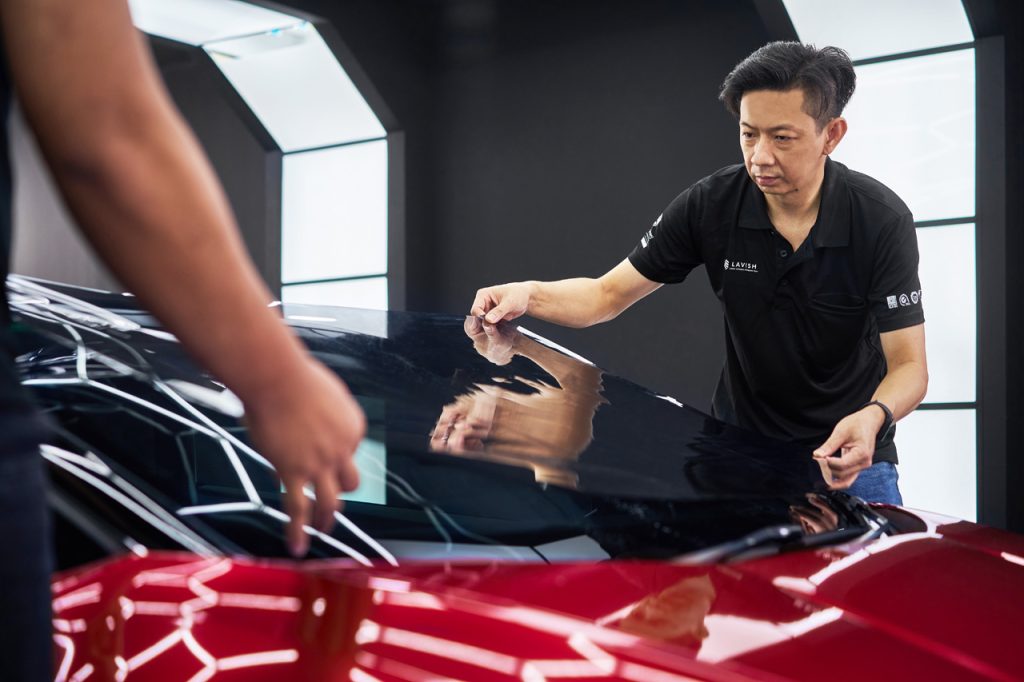
At LAVISH®, we believe in delivering more than just a product. Here’s what you can expect when you choose LAVISH® for your window film installation:
✅ Proven Performance: LAVISH® offers a full range of advanced films, from multi-layer sputtered film to premium nano-ceramic film. Our films can achieve up to 98% heat rejection and 76% TSER, so you stay cooler, protect your interior, and drive in comfort.
✅ German Nano-Ceramic Technology: Our films are designed using advanced nano-ceramic materials that block heat without interfering with your GPS, Smart Tag, or mobile signals.
✅ Certified Quality: LAVISH® films are tested and certified to meet strict industry standards, ensuring consistent performance and durability for years to come.
✅ 1-to-1 Replacement Warranty: We even offer a 1-to-1 replacement if performance drops by 10% or more from the original specs.
✅ Professional Installation: Our experienced team handles every installation with care, so you get a perfect fit and maximum clarity every time.
Check out our full product catalog to explore all the options we offer. Whether you want the best for your family car, SUV, or commercial vehicle, we’re here to help you choose the right tint and install it to perfection.
If you’re dealing with tint issues or are ready to invest in a premium tinting solution, don’t hesitate to contact us. Our expert team is here to help!
FAQs
Q1: How long do window tint bubbles last?
A: Small moisture bubbles usually disappear after 1–2 weeks. If they persist, it might indicate an installation error or adhesive failure.
Q2: Can I fix window tint bubbles myself?
A: For small bubbles, you can gently press them out with a soft cloth. If they don’t disappear or are larger, it’s best to contact your installer.
Q3: Why do bubbles appear in my window tint years later?
A: Over time, heat, UV exposure, and cheap film quality can cause the adhesive to weaken, leading to bubbles. Choosing high-quality, durable tint can prevent this.